
By Albertina Terciu

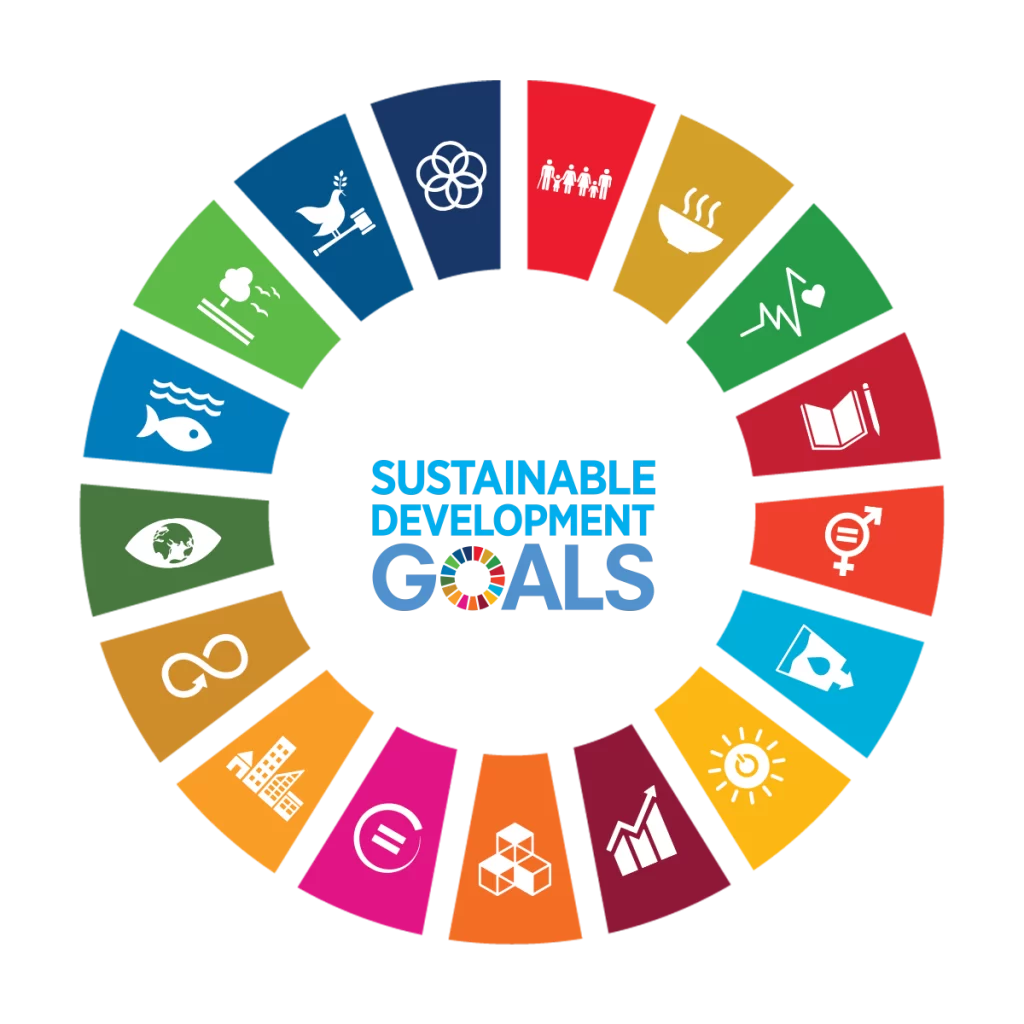
Have you ever heard about the Sustainable Developmental Goals or SDGs? In case not, here is a link that will help you familiarize yourself with them: THE 17 GOALS | Sustainable Development (un.org).
This article aims to present some best practices from cities like Ghent, Belgium, in adopting the SDGs, and discuss how their design helps to implement sustainable practices and establish programs with promising results.
Is not a coincidence that Ghent was chosen as a reference on this topic. Recently, I had the chance to take part in an intensive one-week program at the University of Ghent, dedicated to the SDGs. Many important topics have been tackled, from techniques for evaluating the success of SDGs to the best ways of gathering and converting the data collected into recommendations that could help policy-makers implement strategies that target these goals more efficiently. However, in the next part, the focus will mostly stay on the programs already adopted by Ghent and how their example might inspire other cities to do the same.
Firstly, let’s dive into the details of the Poverty Policy Plan Ghent, an ambitious initiative launched in 2020 by the local authorities and social organizations. The plan aims to address critical issues such as social security, housing, employment, access to education, and social and cultural development for vulnerable individuals and families until 2026. Their slogan says it all: ‘Poverty is not a choice!’; but their actions speak louder.
In the last years, with the help of The Social Service Ghent, they assisted thousands of residents and households in their dark times, around 34,000 individuals from which nearly 10,000 minors were helped in those periods. Moreover, 1,315 individuals received support to finish their educational degrees, while 1500 households and thousands of other individuals received additional financial assistance.
Moreover, special facilities such as OpStap were designed to offer a safe place for people who suffer from addictions. Similar facilities have been also created for housing homeless people and throughout the years their number kept growing.
These practices align closely with SDG 1 and its targets, NO POVERTY. This topic is of particular interest due to the alarming rise of homelessness following the COVID crisis, which currently still affects many individuals around the globe.
In the second part, we’ll discuss “The Circulatieplan” Ghent revealing innovative strategies for sustainable mobility around the city in close compliance with SDG 11, SUSTIANBALE CITIES AND COMMUNITIES.
The plan aims to improve traffic flow, alleviate congestion, and address challenges such as rapid urban growth by implementing policies that facilitate the usage of sustainable modes of transportation, with a special emphasis on bicycles. One important action was the shift of the city center area into a car-free zone for more than 12 hours a day. One incredible outcome: the silence… particularly appreciated in the morning.
However, the plan does not lack challenges, due to dissatisfaction among some citizens, especially business owners. Legislative battles against the plan are ongoing despite current negotiations, showing us again that good things come with time and fighting!
These plans highlight the importance of effective collaboration among organizations, citizens, and local authorities, which are crucial elements for properly addressing complex sustainable issues. Not only this, but the practices adopted are truly inspiring and demonstrate that with the right attitude, things can move forward when it comes to the SDGs, and eventually, encouraging results can be achieved.
Dear reader, it is crucial for us, as inhabitants of this planet, to do our part in making it a better place. Each one of us, in our respective roles, can make positive changes that enhance the well-being of both the planet and its inhabitants. Whether you work in academia, an NGO, a governmental institute; or a company, consider these important goals when making decisions. Why not strive to do the right things?
Finally, I believe that these stories will inspire others and raise awareness about these important initiatives, which eventually, step by step, will lead us toward a collaborative effort to create a world that will sustain EVERYONE, EVERYWHERE. Yes… we face a lot of challenges close to home, but let’s remember the profound struggles faced by people in underdeveloped countries – those who endure extreme poverty, hunger, thirst, illness, and countless other tragedies. Indeed, the Sustainable Developmental Goals (SDGs) are universal, but they hold particular significance for these vulnerable people.
Is an equitable world that hard to achieve?
We’re eager to hear from you!
Your thoughts and ideas are invaluable to us. Feel free to share them in the comments or drop us an email at sustainability.congress24@sietareu.org
Remember, even small changes can have a significant impact when adopted collectively. By leading by example and encouraging others to follow suit: Act today, impact tomorrow!
Warm regards,
Your SIETAR Congress ´24 Sustainability Team